
Showing 1 products
 N/A
N/A
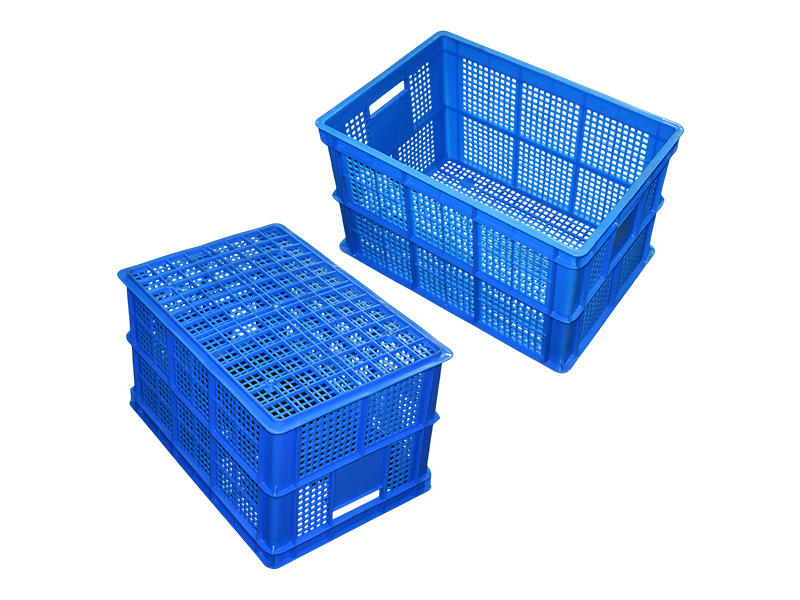
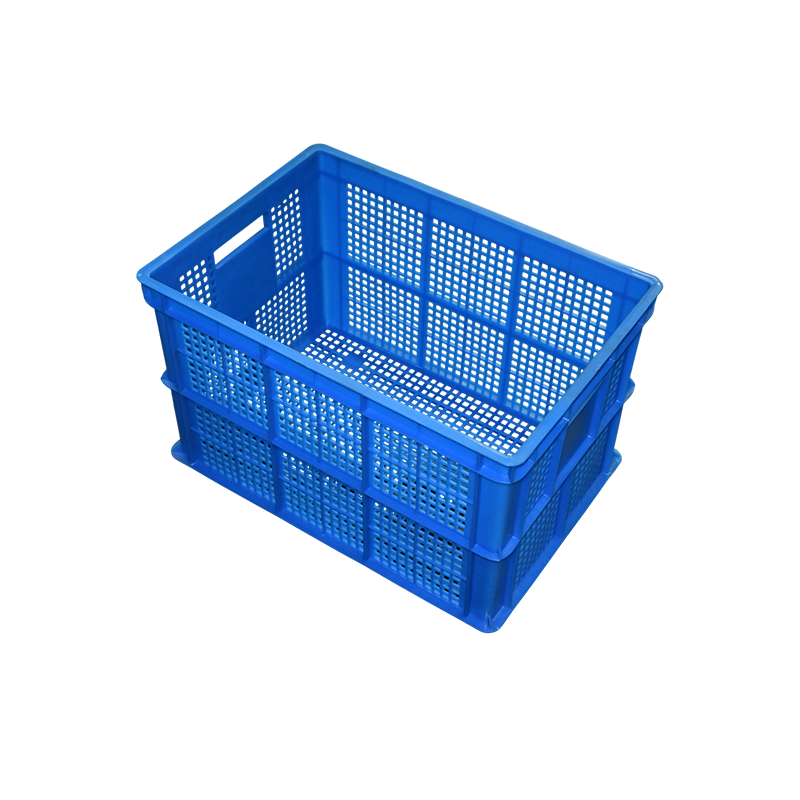
38.8 x 31 x 8.9 cm Ventilated Stackable Plastic Crate
- Application Areas:Fresh Vegetable
- External Dimensions:388 x 310 x 89 mm
- Internal Dimensions:360 x 278 x 80 mm
- Capacity:N/A
- Ventilation Structure:Nestable
- Material:PP
No products found
Try adjusting your filtersCustom Solutions
Custom Stackable Crate Solutions
Match crate dimensions, stacking structure, load capacity, ventilation, color, and identification options to your storage and transport process.
Applications
Where Stackable Crates Are Used
Stackable crates organize goods during storage, picking, transport, and production circulation. Their stable stacking structure helps increase vertical space use and keeps loads orderly between handling stages.
Why Choose Us
Why Choose Us for Stackable Crates
We support distributors, logistics operators, retailers, farms, and manufacturers with stable production, bulk supply, export packing, and practical model selection.
Selection Process
From Load Data to Stackable Crate Supply
A structured review connects usable dimensions, stack performance and handling equipment to the real storage and transport cycle.
Define the Contents
Share product dimensions, weight per crate, quantity and protection requirements.
Choose the Structure
Compare solid or ventilated walls, base design, handles and identification options.
Verify Stacking
Confirm payload, loaded stack height, support conditions, shelves, pallets and vehicles.
Plan Bulk Supply
Coordinate samples, colors, markings, inspection, packing and delivery destination.
Buyer Guide
How to Select a Stackable Plastic Crate
Select from the actual contents, support and handling conditions—not from one headline capacity figure.
| Selection factor | What to confirm | Why it matters |
|---|---|---|
| Product fit | Internal length, width, height and corner clearances | External size and nominal liters do not confirm usable product space. |
| External footprint | Shelves, carts, pallets, conveyors and vehicle dimensions | The crate must pass through and sit correctly at every handling point. |
| Wall design | Solid or ventilated panels, drainage and small-item containment | The correct design balances airflow, cleaning and product protection. |
| Stack conditions | Payload, stack height, support points and temperature | Safe stacking depends on the exact model and operating conditions. |
| Material and use | Handling frequency, impact, hygiene and temperature exposure | Material selection affects durability, cleaning and service life. |
Load note: Payload and loaded stacking performance are different specifications. Validate both with the selected model, support method and real operating temperature.
Frequently Asked Questions
Stackable Plastic Crate FAQ
Concise answers for warehouse, retail, industrial, food distribution and procurement teams.
What is a stackable plastic crate?
A stackable plastic crate is a reusable container designed so the base of one crate locates securely on the rim or stacking points of the crate below during storage and transport.
Where are stackable crates commonly used?
Common applications include warehouse storage, order picking, retail distribution, industrial parts circulation, agriculture, packaged food and cold-chain handling.
How do I choose the correct crate size?
Check usable internal dimensions for product fit and external dimensions for shelves, carts, pallets, conveyors and vehicles. Capacity alone does not confirm compatibility.
What is the difference between payload and stacking load?
Payload is the weight carried inside one crate. Stacking performance describes the supported load and conditions when loaded crates are placed vertically, so the two ratings should be verified separately.
What information is needed for a bulk quote?
Provide the internal size, payload, loaded stack height, wall and base design, ventilation preference, quantity, color, marking requirements and delivery destination.
Request a Stackable Crate Quote
Send your required dimensions, capacity, quantity, stacking load, and application details.