
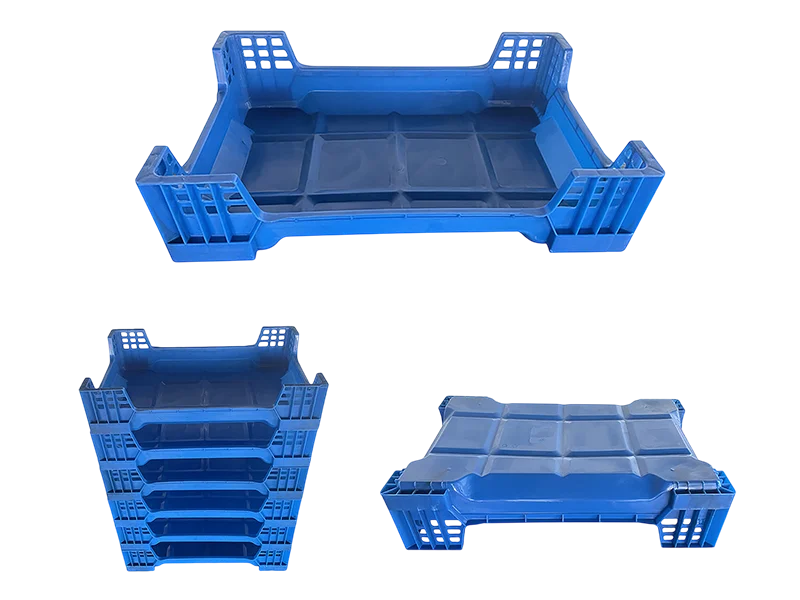
Showing 2 products
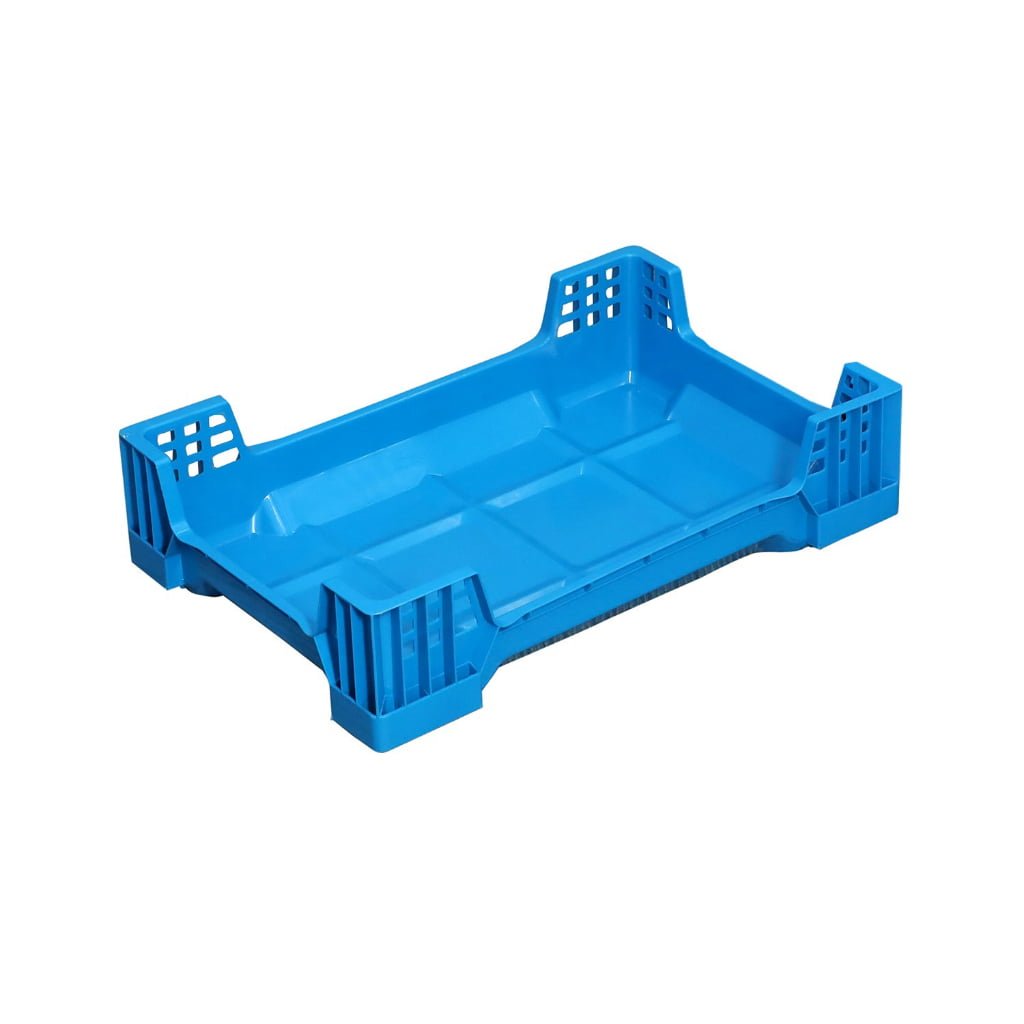 1.33 kg
600 × 400 × 190 mm Heavy-Duty Mealworm Breeding Box
- External Dimensions:600 × 400 × 190 mm
- Internal Dimensions:565 x 369 x 100 mm
- Weight:1.33 kg
- Stack Capacity:150 kg
- Load Capacity:30 kg
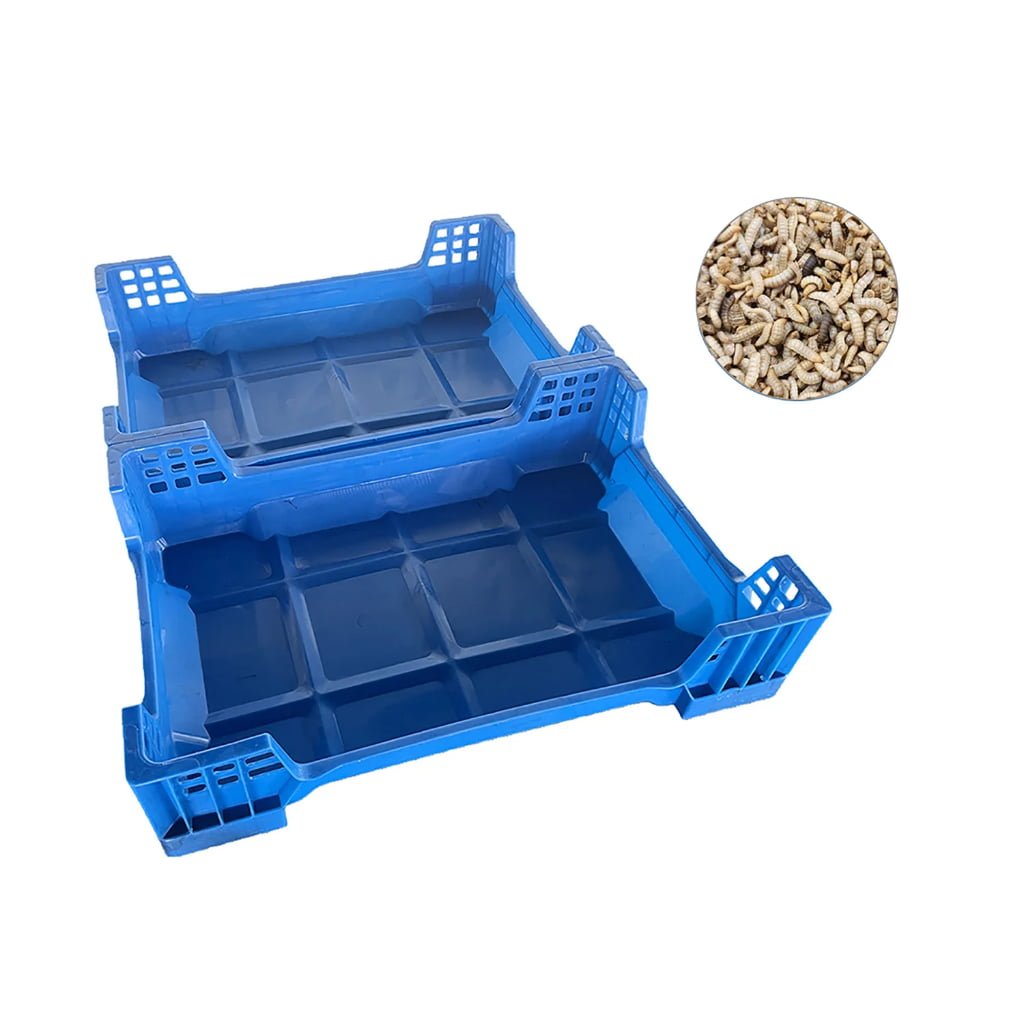 0.88 kg
60 x 40 x 14.5cm Plastic Insect Breeding Box
- External Dimensions:600 x 400 x 145 mm
- Internal Dimensions:571 x 371 x 135 mm
- Weight:0.88 kg
- Stack Capacity:150 kg
- Load Capacity:30 kg
No products found
Try adjusting your filtersCustom Solutions
Custom Insect Breeding Box Solutions
Match box dimensions, ventilation, wall and base structure, stacking design, color, and identification options to your insect-rearing process.
Applications
Where Insect Breeding Boxes Are Used
Insect breeding boxes organize rearing, feeding, separation, observation, and transport between production stages while helping farms use vertical rack space efficiently.
Why Choose Us
Why Choose Us for Insect Breeding Boxes
We support insect farms, equipment suppliers, research facilities, and distributors with stable production, bulk supply, export packing, and practical model selection.
Selection Process
From Rearing Requirements to Box Supply
A structured review connects insect species, life stage, stocking density, airflow, cleaning, and rack handling to the correct box design.
Define the Species
Share the insect species, life stage, stocking density, feed, and production cycle.
Choose the Structure
Compare box depth, solid or ventilated walls, base design, lids, and identification options.
Verify the System
Confirm airflow, temperature, humidity, cleaning, stacking, rack, and trolley compatibility.
Plan Bulk Supply
Coordinate samples, colors, markings, inspection, packing, and delivery destination.
Buyer Guide
How to Select an Insect Breeding Box
Select the box around the insect species and production environment, not only its external dimensions or nominal capacity.
| Selection factor | What to confirm | Why it matters |
|---|---|---|
| Species and life stage | Mealworm, larvae, cricket or other insect and its growth phase | Different insects require different depth, surface, airflow, and escape-control designs. |
| Usable dimensions | Internal length, width, height, and stocking density | External dimensions and nominal liters do not confirm usable rearing space. |
| Ventilation | Opening pattern, airflow, humidity, temperature, and environmental controls | Correct airflow supports heat and moisture management for the selected species. |
| Rack and stacking fit | Shelf spacing, support points, access, trolley, and automation dimensions | The box must fit securely while allowing feeding, inspection, and removal. |
| Cleaning and material | Wash method, hygiene requirements, food contact needs, and service temperature | Material and geometry affect sanitation, durability, and repeated use. |
Application note: Ventilation, stocking density, temperature, and humidity must be validated for your insect species and facility conditions before bulk production.
Frequently Asked Questions
Insect Breeding Box FAQ
Concise answers for insect farms, equipment suppliers, laboratories, and procurement teams.
What is an insect breeding box?
An insect breeding box is a reusable plastic container designed for controlled rearing, feeding, sorting and handling of insects or larvae in farms, laboratories and production facilities.
Which insects can be raised in these boxes?
Depending on the model and ventilation design, the boxes can support mealworms, black soldier fly larvae, crickets, cockroaches and other commercially reared insects.
How do I choose the correct box size?
Confirm the insect species, life stage, stocking density, usable internal dimensions, feed volume, airflow, cleaning method and compatibility with racks or automated handling.
Why is ventilation important?
Correct airflow helps manage heat, moisture and gas exchange. Ventilation requirements vary by insect species, stocking density and environmental control system.
What information is needed for a bulk quote?
Provide the insect species, box dimensions, quantity, ventilation preference, stacking or rack requirements, color, marking needs and delivery destination.
Request an Insect Breeding Box Quote
Send the insect species, required dimensions, ventilation, quantity, rack system, and application details.